Emergency Tree Removal in Columbus, OH
Severe weather, sudden tree failure, and unexpected accidents can leave properties exposed to immediate danger. Arbaugh Tree Service provides emergency tree removal in Columbus, OH, responding to urgent situations where fallen or unstable trees threaten homes, vehicles, utilities, or access routes. Fast, controlled removal is critical to prevent further structural damage and to restore safety as quickly as possible.
Central Ohio experiences strong thunderstorms, heavy winds, ice accumulation, and saturated soil conditions that can weaken root systems. Even healthy trees can fail under these stresses. When a tree falls or partially collapses, it often creates hazardous tension, unstable loads, or blocked access that should only be handled by trained professionals with specialized equipment.
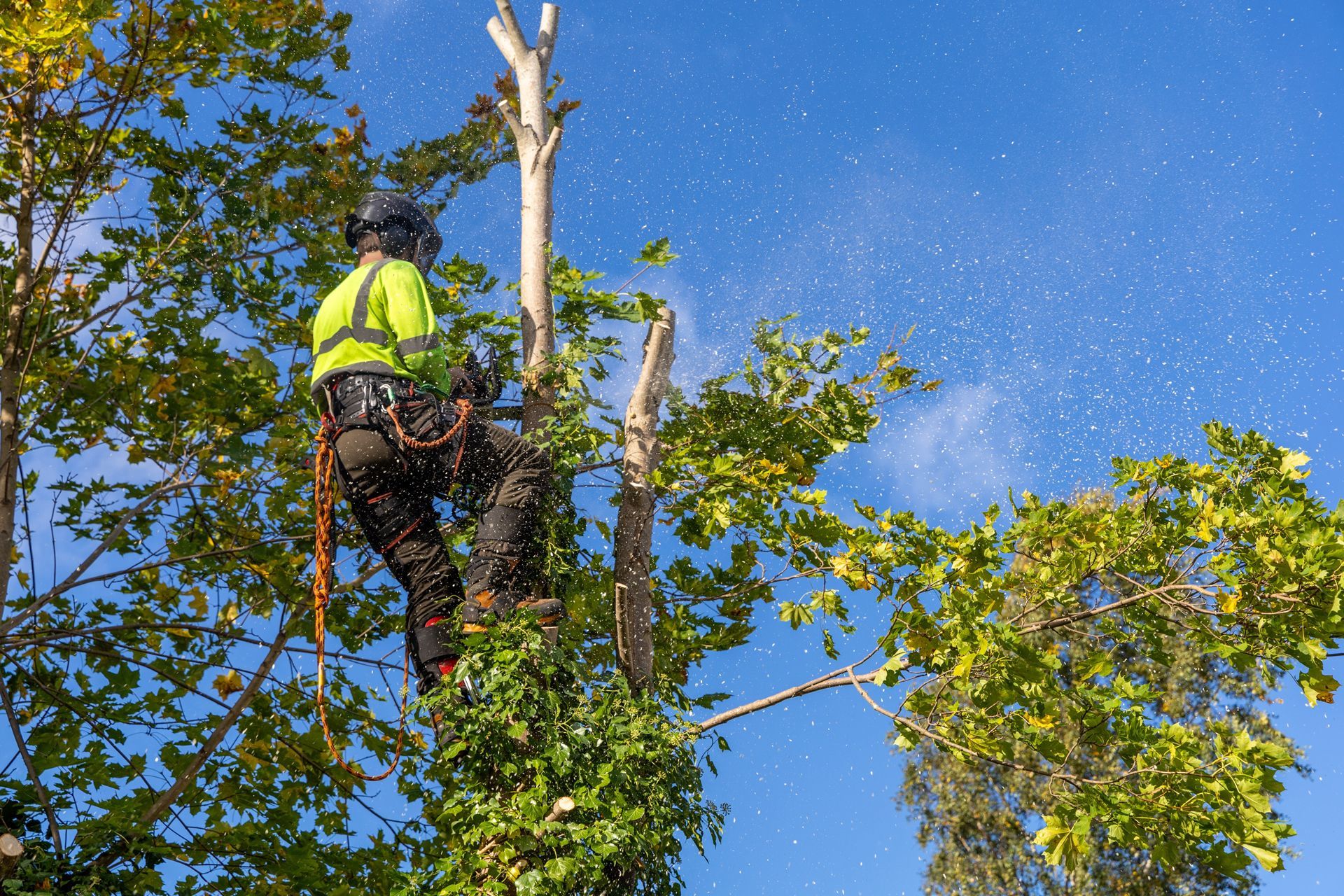
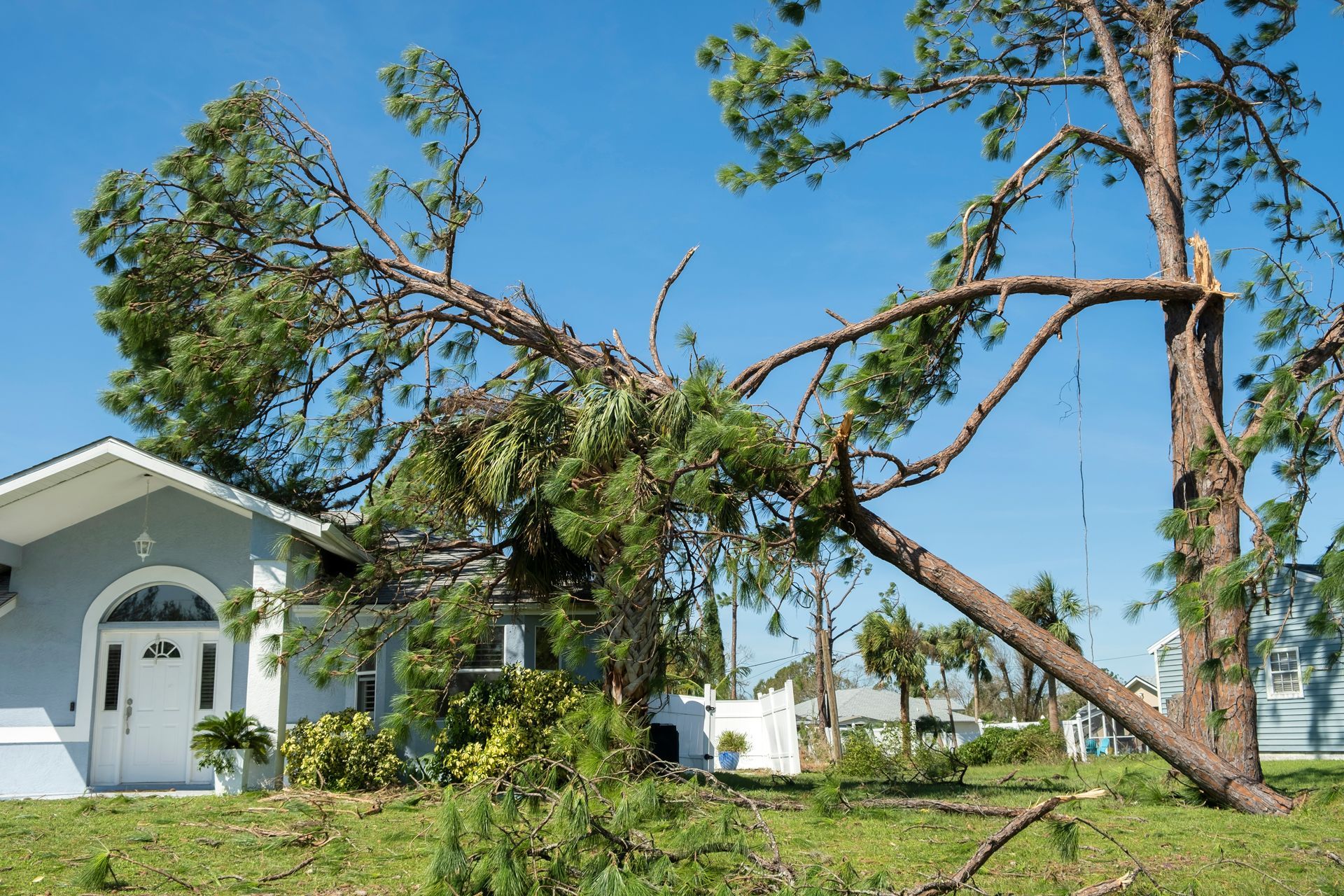
Immediate Response to Storm-Damaged Trees
Storm-related tree emergencies are among the most common urgent situations in Columbus and surrounding Fairfield County communities. High winds can snap trunks, split canopies, or uproot entire trees, leaving them resting on structures or tangled in other trees.
Fallen Trees on Homes and Buildings
When a tree lands on a roof or structure, removal must be performed carefully to avoid additional collapse or internal damage. Sections are stabilized before cutting so that weight shifts do not worsen the situation during the process.
Uprooted Trees With Exposed Root Systems
Trees that have been pulled from the ground may still be partially attached by roots. These unstable conditions can cause the tree to shift unexpectedly, especially if soil continues to erode or water accumulates in the root cavity.
Broken Limbs and Split Trunks
Large limbs that hang overhead after a storm can fall without warning. Split trunks often indicate structural failure that can lead to complete collapse if not addressed quickly.
Removal of Trees Blocking Access and Roadways
Downed trees frequently obstruct driveways, private roads, and entry points, preventing safe movement in and out of a property. Clearing these obstructions restores accessibility for residents, emergency services, and repair crews.
Blocked Residential Driveways
A fallen tree across a driveway can isolate a home, making it difficult to leave during emergencies or receive assistance. Removal teams cut and clear the tree in sections to reopen access efficiently.
Trees Across Private Roads or Lanes
In rural and semi-rural parts of Columbus, private roads serve multiple properties. Clearing these routes ensures that neighbors and service vehicles can travel safely.
Obstructions Affecting Visibility or Walkways
Even when a tree does not completely block a path, debris can create dangerous conditions for pedestrians and vehicles, especially at night or during ongoing storms.
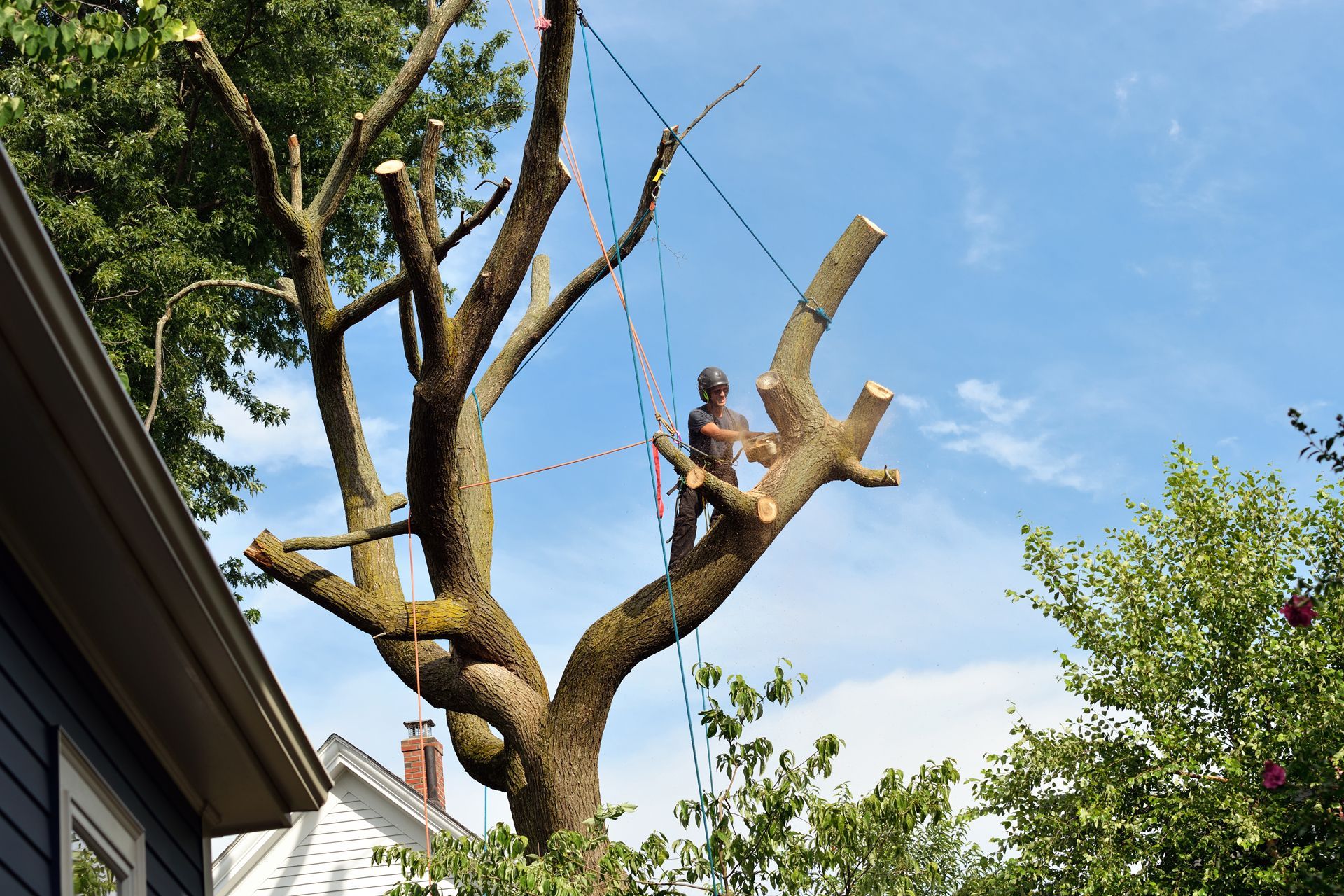
Safe Removal of Trees Entangled With Utilities
Trees that contact power lines or utility structures present extreme hazards. Only trained professionals working in coordination with utility providers should handle these situations.
Trees on or Near Electrical Lines
Branches resting on power lines can conduct electricity, creating risk of electrocution. Removal procedures focus on maintaining safe distances and using insulated equipment when necessary.
Damage to Utility Poles or Service Lines
A fallen tree may pull down communication cables or strain electrical service connections to a home. Controlled removal prevents additional tension from snapping lines or causing further outages.
Trees Threatening Underground Utilities
Uprooted trees can disturb buried pipes or cables. Careful extraction minimizes additional disruption to water, sewer, or communication systems.
Controlled Removal of Partially Fallen or Suspended Trees
Some of the most dangerous emergency situations involve trees that have fallen but are supported by another tree or structure. These suspended trees store enormous energy and can move unpredictably when cut.
Trees Leaning Against Structures
A tree resting against a house or garage may shift as weight distribution changes. Strategic sectioning reduces pressure gradually to prevent sudden movement.
Trees Caught in Other Trees
When one tree falls into another, the canopy can become locked in place. Removing these entangled sections requires careful sequencing to avoid domino-style collapse.
Split Trees at Risk of Complete Failure
Trees that have cracked down the middle often remain standing temporarily. Without intervention, they can separate and fall unexpectedly.
Emergency Cleanup and Debris Haul-Away
After a hazardous tree is removed, the remaining debris must be cleared promptly to restore safety and usability. Emergency work often produces large volumes of branches, trunk sections, and scattered wood fragments.
Removal of Heavy Wood Debris
Large pieces are cut into manageable sections and transported off-site. This prevents additional hazards and allows property repairs to begin.
Clearing Roofing and Structural Debris
If a tree has damaged a building, wood fragments and branches must be removed carefully to avoid further harm to the structure during cleanup.
Restoring Safe Ground Conditions
Smaller debris, splintered wood, and loose branches are cleared from the surrounding area to eliminate tripping hazards and ensure safe footing.
Emergency tree situations require rapid action combined with precise control. Arbaugh Tree Service provides professional emergency tree removal in Carroll, OH, addressing fallen, damaged, and unstable trees that pose immediate risks to people and property. From storm response to hazardous structural failures, the goal is to eliminate danger efficiently while minimizing additional damage and leaving the site secure.