Storm Damage Cleanup in Columbus, OH
Severe weather can transform a safe property into a hazardous environment within minutes. Arbaugh Tree Service provides professional storm damage cleanup in Columbus, OH, removing fallen trees, broken limbs, and scattered debris caused by high winds, heavy rain, ice, or snow. Prompt cleanup is essential to restore safety, prevent further property damage, and allow repairs to begin without obstruction.
Central Ohio frequently experiences strong thunderstorms, wind events, and winter storms that weaken or topple trees. Even well-maintained trees can fail under extreme conditions, leaving large debris across yards, driveways, and structures. Storm cleanup requires specialized equipment and controlled removal techniques to handle unstable wood safely and efficiently.
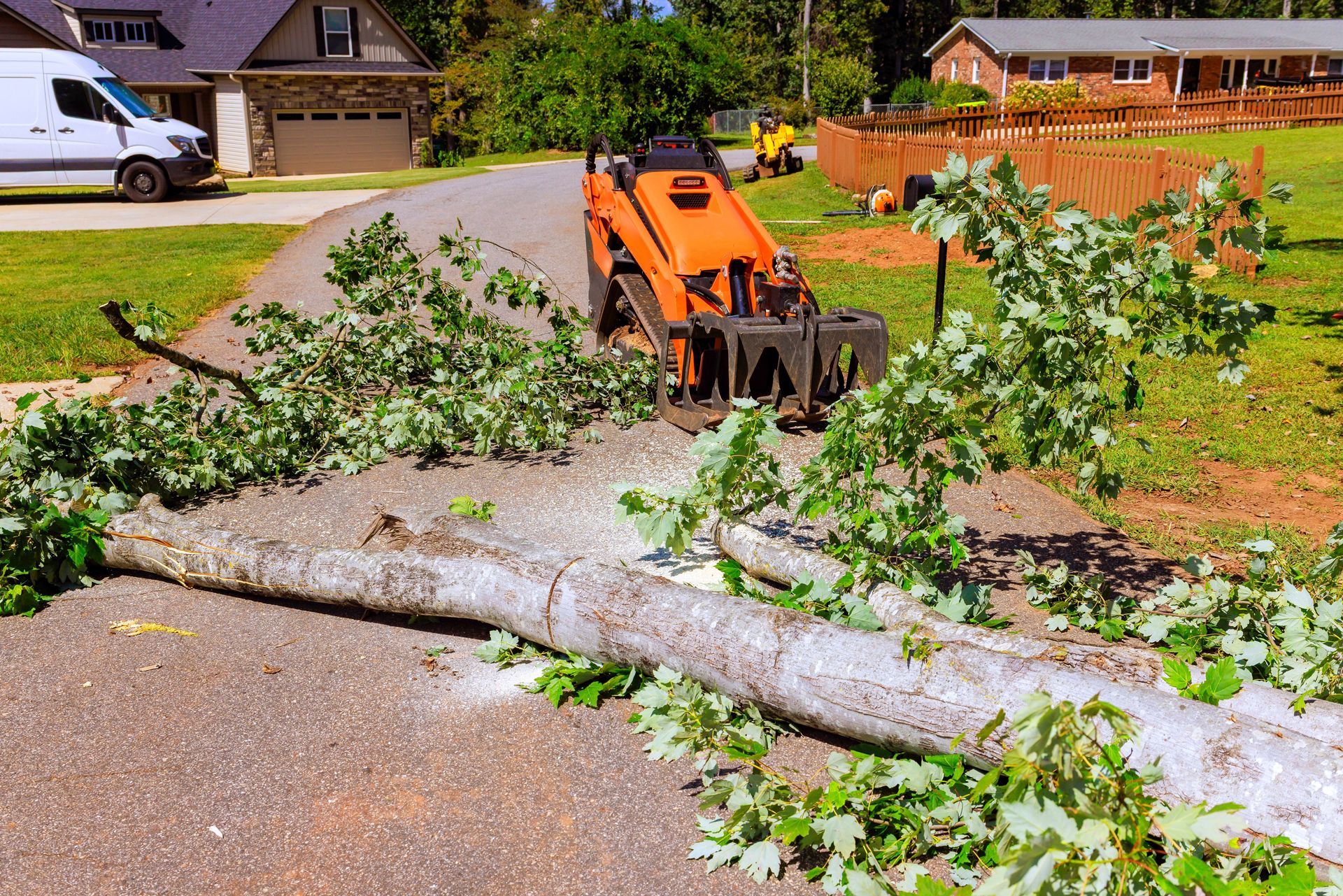
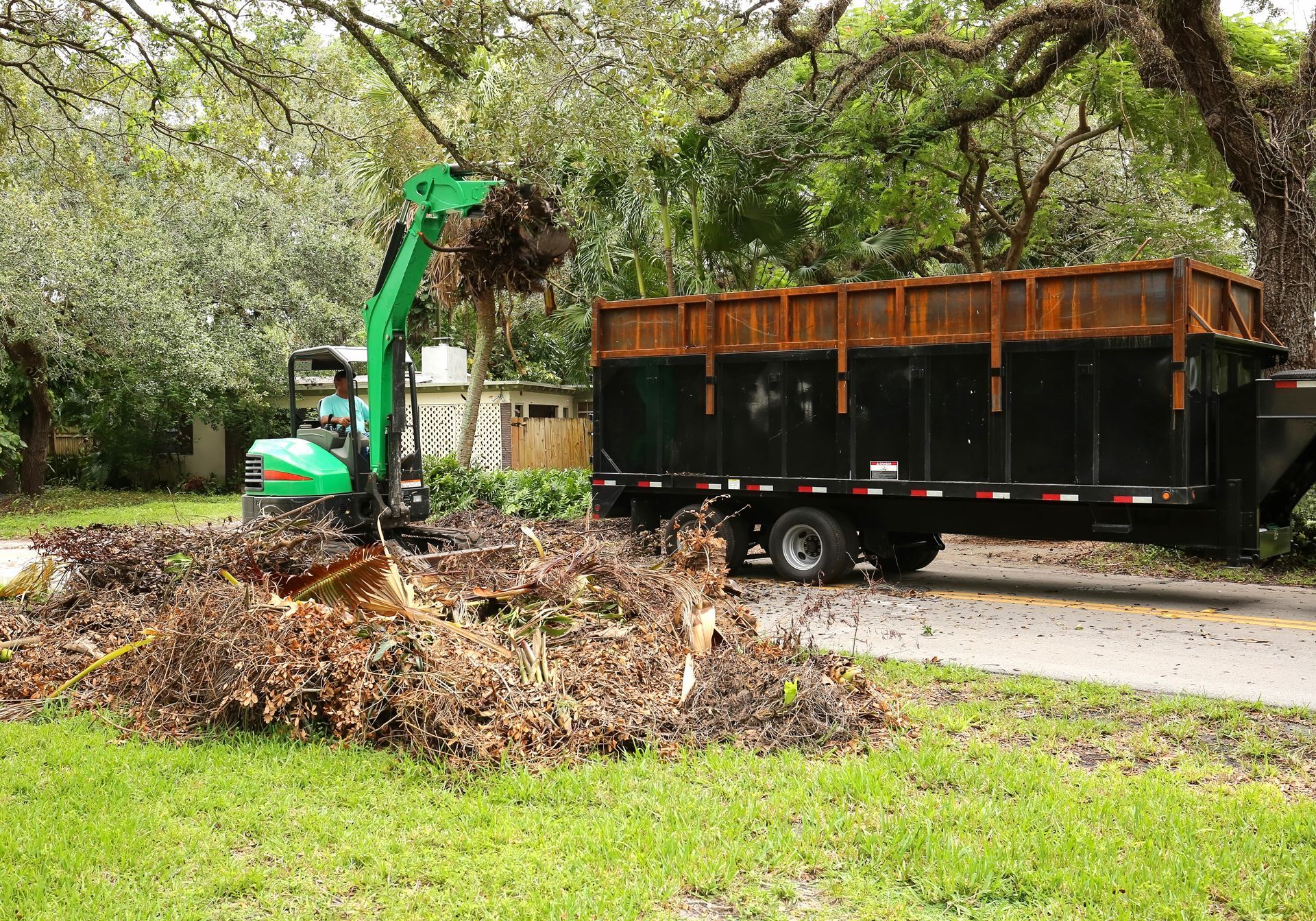
Removal of Fallen Trees and Large Debris
After a storm, entire trees or major sections may collapse onto the ground or structures. These heavy materials pose immediate risks and must be removed carefully to avoid shifting loads or additional damage.
Clearing Uprooted Trees
Trees that have been pulled from the ground often leave large root masses and soil displacement. Removing these trees involves cutting the trunk into manageable sections while stabilizing the root ball to prevent sudden movement.
Processing Large Trunk Sections
Massive trunk pieces can be too heavy to move without specialized tools. They are cut into transportable segments so they can be safely removed from the property.
Handling Debris Across Yards
Fallen wood scattered across lawns can conceal hazards such as splintered branches or uneven terrain. Thorough clearing restores safe footing and visibility.
Cleanup of Broken and Hanging Branches
Storms frequently leave damaged limbs suspended in the canopy. These hanging branches may fall later, even under calm conditions, creating ongoing danger.
Removal of Partially Detached Limbs
Branches that have cracked but not fully fallen can drop without warning. Controlled cutting eliminates these risks before they cause injury or property damage.
Clearing Debris From Roofs and Structures
Branches resting on roofs or against siding can lead to leaks, structural stress, or further breakage. Removing them carefully prevents additional harm during cleanup.
Pruning Storm-Damaged Canopies
Trees that remain standing may still require corrective pruning to remove compromised limbs and restore structural balance.
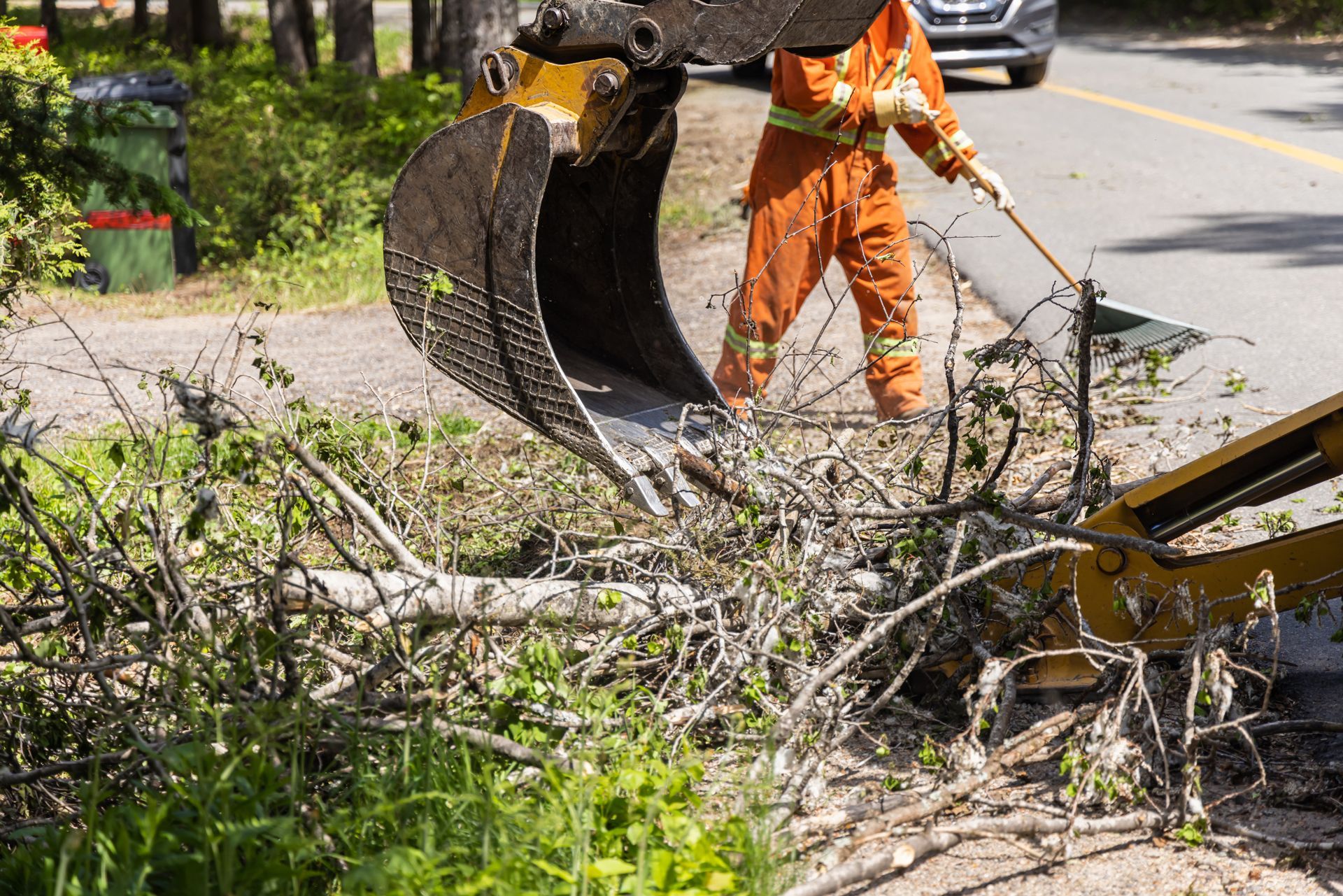
Clearing Blocked Driveways and Access Routes
Storm debris often obstructs movement around a property, making it difficult to enter or exit safely. Restoring access is a priority during cleanup operations.
Removal of Trees Across Driveways
A single fallen tree can completely block vehicle access. Cutting and removing the obstruction allows residents and service providers to move freely again.
Clearing Walkways and Entry Points
Branches and debris covering sidewalks, steps, or doorways create tripping hazards and restrict emergency access. Removing these obstacles restores safe passage.
Opening Private Roads and Lanes
In rural areas around Columbus, shared roads and long driveways may serve multiple properties. Clearing these routes ensures that emergency vehicles and utility crews can reach affected homes.
Debris Removal From Structures and Surroundings
Storm damage is not limited to fallen trees. Smaller debris such as branches, leaves, and wood fragments can accumulate in large quantities, creating both safety and maintenance issues.
Removal of Wood and Vegetation Debris
Scattered limbs and organic material are gathered and transported off-site to prevent decay, pest attraction, and fire hazards.
Clearing Gutters and Drainage Areas
Leaves and branches can clog drainage systems, leading to water overflow and potential structural damage. Removing this material helps restore proper water flow.
Cleaning Outdoor Living Areas
Patios, decks, and recreational spaces often become covered with debris after storms. Clearing these areas returns them to usable condition.
Post-Storm Site Restoration and Safety Measures
After major debris is removed, additional steps are necessary to ensure the property is safe for normal use. Hidden hazards may remain even after visible cleanup.
Inspection for Remaining Risks
Loose branches, unstable trees, or partially uprooted plants can still pose threats. Identifying and addressing these issues prevents delayed accidents.
Leveling Disturbed Ground Areas
Uprooted trees and heavy equipment can leave uneven surfaces or exposed soil. Restoring these areas improves safety and appearance.
Preparing the Site for Repairs
Clearing debris allows contractors, insurance adjusters, and utility workers to access damaged structures and begin restoration work.
Storm damage can create dangerous conditions that require prompt, professional attention. Arbaugh Tree Service provides comprehensive storm damage cleanup in Carroll, OH, removing fallen trees, hazardous limbs, and widespread debris to restore safe access and functionality. By addressing both visible destruction and hidden risks, the property can return to normal use while preventing further damage from unresolved hazards.