Tree Trimming & Pruning in Columbus, OH
Proper tree trimming and pruning are essential for maintaining healthy, structurally sound, and attractive trees. Arbaugh Tree Service provides professional tree trimming and pruning in Columbus, OH, helping property owners manage overgrown branches, remove deadwood, and maintain safe clearances around structures. Regular maintenance not only improves appearance but also reduces the risk of falling limbs and storm damage.
Trees in central Ohio experience rapid seasonal growth, heavy foliage, and weather extremes that can stress limbs and create structural weaknesses. Without routine pruning, branches may become too heavy, rub against each other, or extend over roofs, driveways, and power lines. Careful trimming encourages balanced growth while preserving the natural form of the tree.
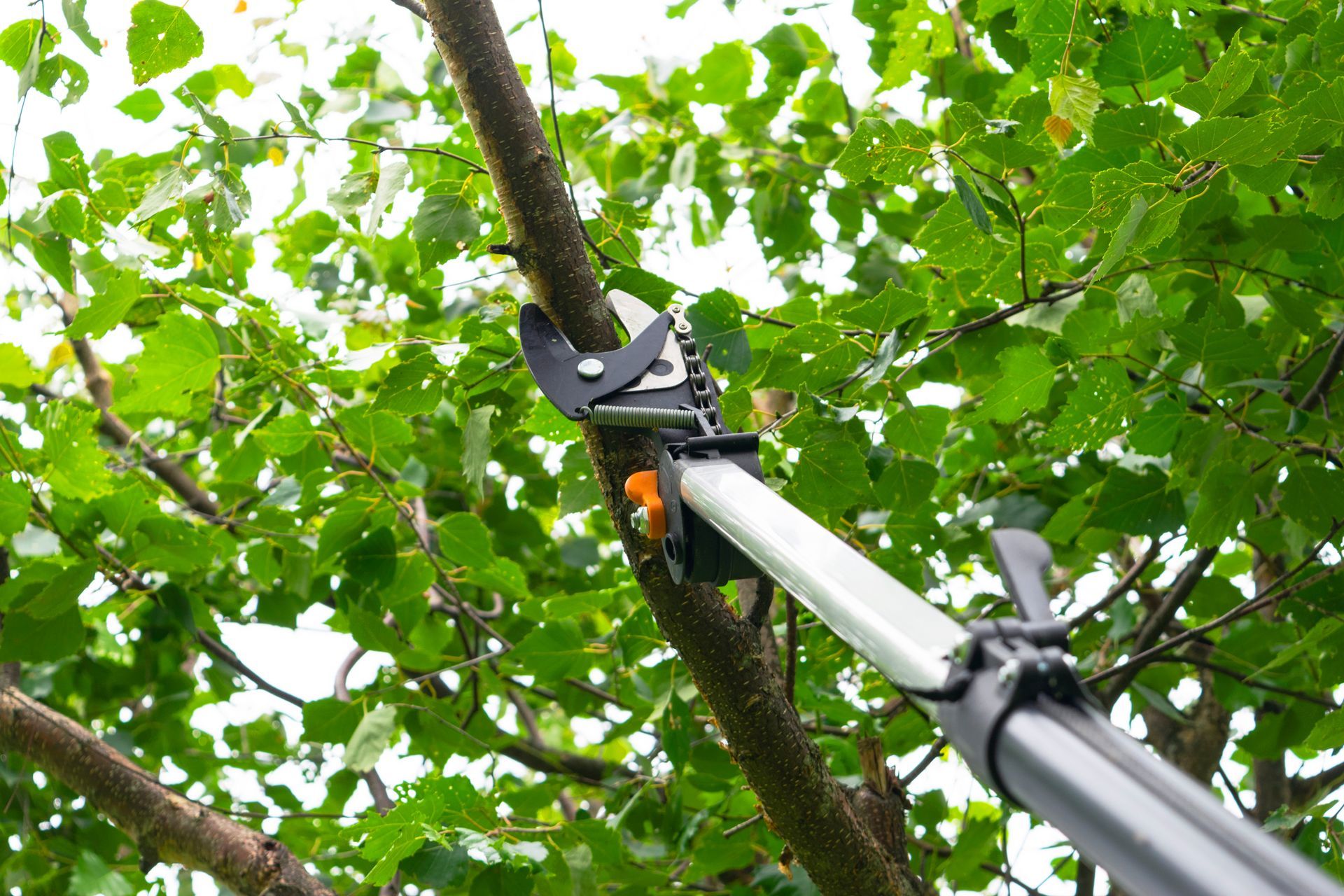
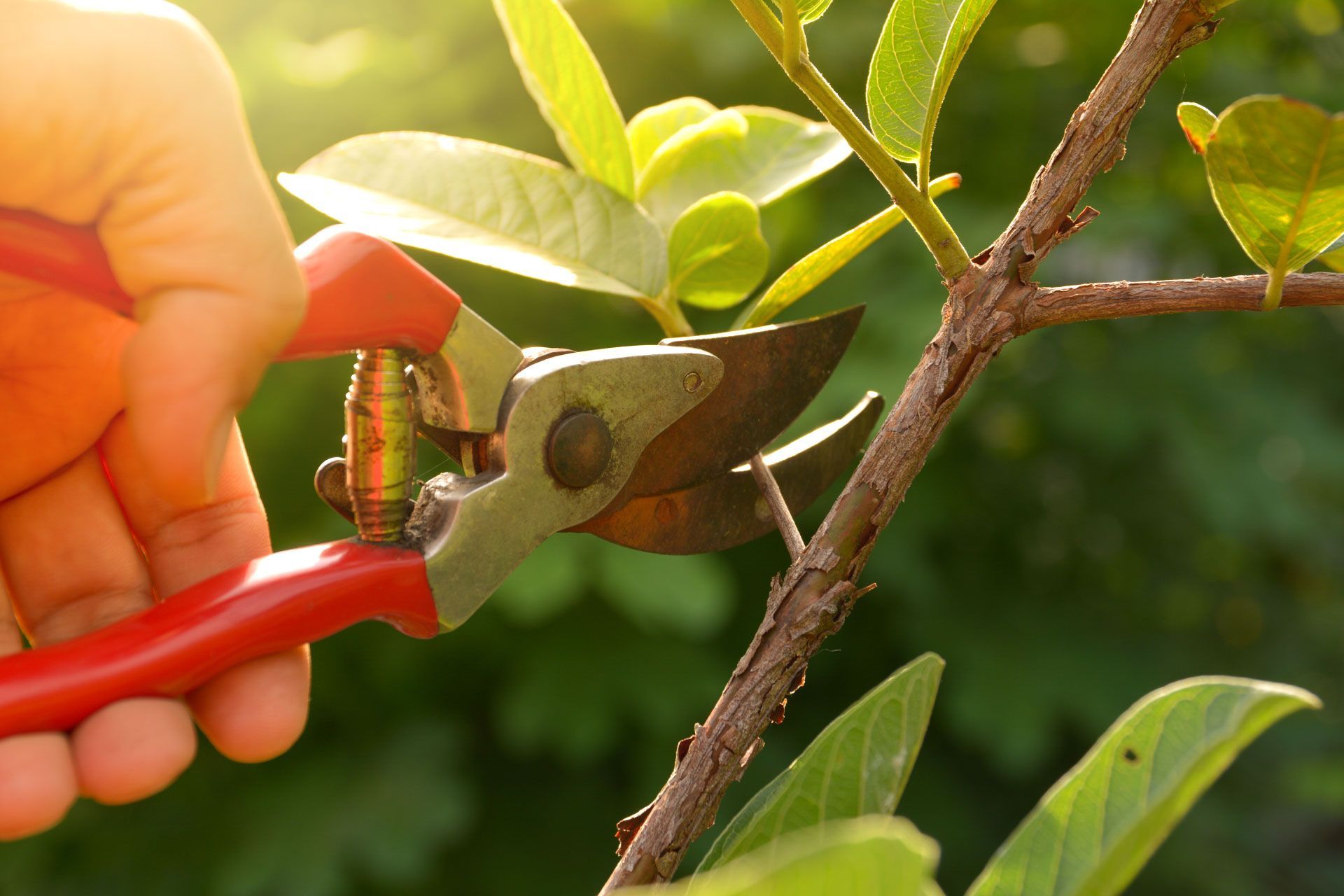
Removal of Dead, Damaged, and Diseased Branches
Dead or compromised limbs are among the most common hazards in mature trees. These branches can break unexpectedly, especially during wind, ice, or heavy rain, posing risks to people, vehicles, and buildings below.
Deadwood Elimination
Removing dead branches prevents decay from spreading into healthy portions of the tree. It also reduces the chance of limbs falling without warning during storms or high winds.
Storm-Damaged Limb Removal
After severe weather, trees may retain cracked or partially broken branches that remain suspended in the canopy. These weakened limbs often fall later, even during calm conditions.
Disease-Affected Branch Pruning
Pruning infected areas can slow the spread of fungal or bacterial diseases and help preserve the overall health of the tree when intervention occurs early.
Structural Pruning for Safe Growth
Structural pruning focuses on shaping young and mature trees to develop strong branch architecture. Poor structure can lead to splitting, uneven weight distribution, or long-term instability.
Removal of Crossing or Rubbing Branches
Branches that grow into each other create friction wounds that invite pests and disease. Selective removal prevents bark damage and encourages healthier growth patterns.
Correction of Co-Dominant Stems
When two main stems compete for dominance, the attachment point may be weak and prone to splitting. Pruning helps establish a single, stronger leader or reduces the load on competing stems.
Weight Reduction in Overextended Limbs
Long, heavy branches extending far from the trunk are vulnerable to breakage. Carefully reducing their length decreases leverage forces during storms.
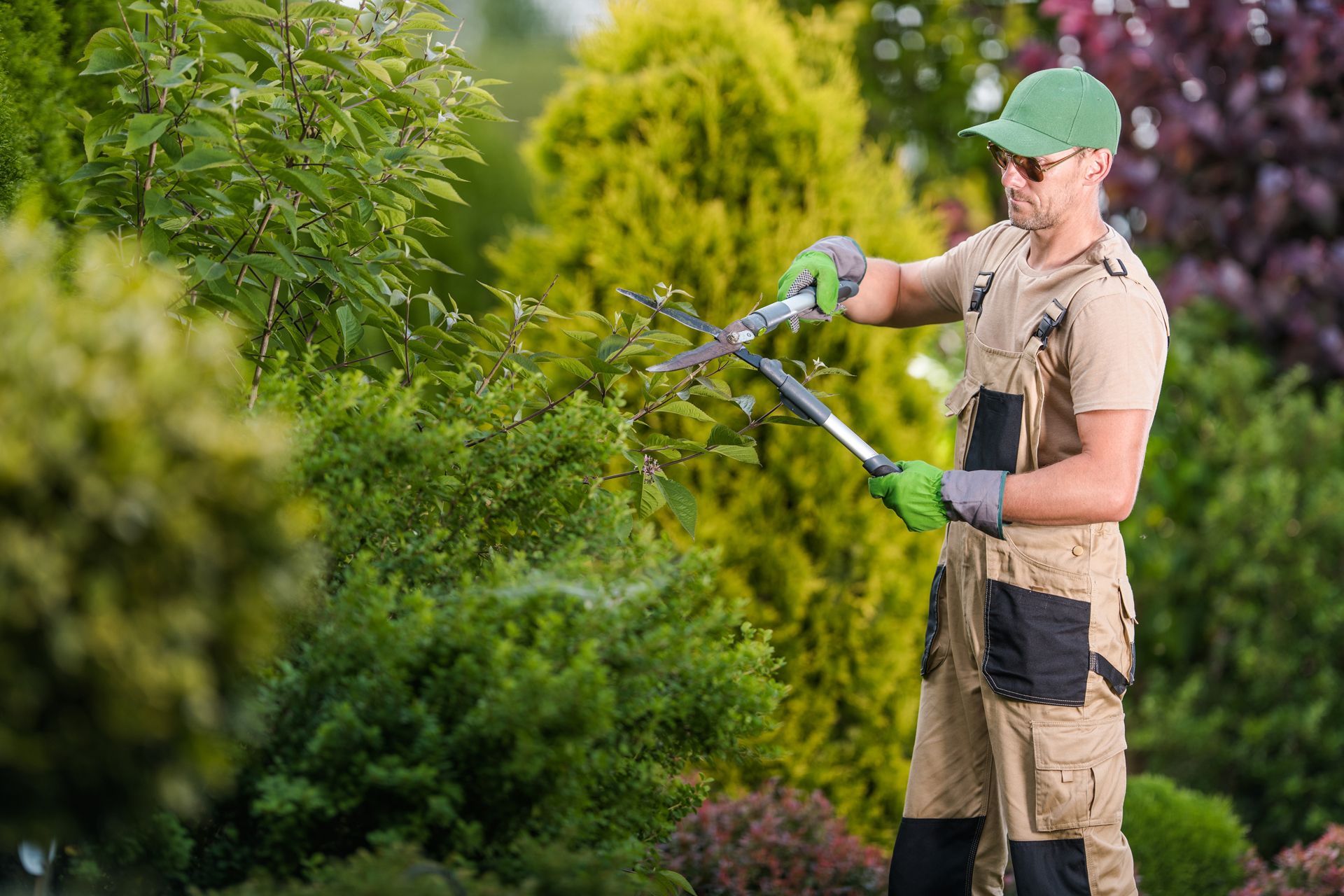
Crown Thinning, Raising, and Shaping
Managing the tree canopy improves light penetration, air circulation, and clearance around structures. Crown work must be performed carefully to avoid removing too much foliage at once.
Crown Thinning for Airflow and Light
Selective removal of interior branches reduces canopy density. This allows wind to pass through more easily and sunlight to reach lower plants and lawn areas.
Crown Raising for Clearance
Lower limbs may obstruct sidewalks, driveways, or views. Raising the canopy by removing selected lower branches improves accessibility and sightlines.
Crown Reduction for Size Control
In some cases, reducing the overall height or spread of a tree is necessary to prevent interference with buildings or utilities. Reduction cuts are made at appropriate growth points to maintain natural form.
Trimming Near Homes, Roofs, and Utility Lines
Branches growing close to structures can cause gradual damage even without storms. Routine trimming prevents physical contact that can wear down roofing materials, siding, and gutters.
Roof and Gutter Clearance
Limbs overhanging roofs deposit leaves and debris that clog drainage systems and retain moisture. Removing these branches reduces maintenance issues and potential water damage.
Fence and Property Boundary Clearance
Branches extending into neighboring properties or pressing against fences can create disputes and structural problems. Controlled trimming keeps growth within intended boundaries.
Safe Distance From Overhead Lines
Trees growing near utility lines require careful management to maintain safe separation while preserving tree health.
Seasonal and Preventative Maintenance Pruning
Routine pruning performed at appropriate times of year supports long-term tree vitality and reduces the need for drastic cutting later.
Dormant Season Pruning
Many tree species respond best to pruning during late fall or winter when growth is inactive. This timing minimizes stress and allows wounds to seal properly before spring.
Growth Control During Active Seasons
Light maintenance trimming during the growing season can manage rapid expansion and prevent overcrowding in the canopy.
Preparation Before Storm Seasons
Removing weak or overextended limbs ahead of severe weather reduces the likelihood of breakage during storms common to the region.
Tree trimming and pruning require precision, knowledge of species-specific growth patterns, and attention to safety. Arbaugh Tree Service provides professional tree trimming and pruning in Carroll, OH, helping maintain strong, balanced trees while reducing hazards from dead or overgrown branches. Proper maintenance preserves both the health of the tree and the safety of the surrounding property, ensuring that trees remain an asset rather than a liability.